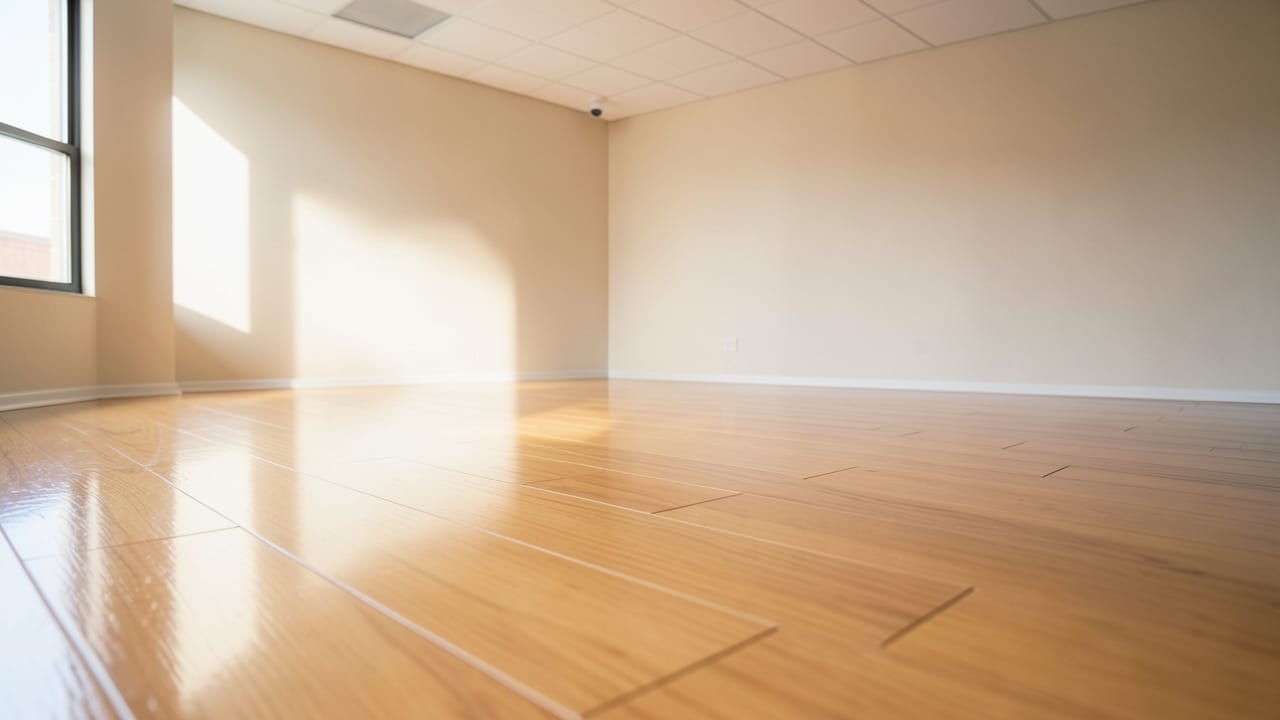
Vinyl Flooring Mold Treatment in Simi Valley, CA
Vinyl Flooring Mold Treatment for Simi Valley, CA properties — Simi Valley is a nearby community roughly 8.2 miles north of Agoura Hills..
Simi Valley homeowners trust our crew for fast, thorough vinyl flooring mold treatment, with the same team serving Agoura Hills at no extra trip charge. Only 8.2 miles north, we reach both communities quickly to inspect, contained and remove mold without damaging your flooring. Using safe, effective methods, we restore clean, healthy surfaces and prevent regrowth, keeping your home’s vinyl floors looking great and mold-free.
Why vinyl flooring mold treatment matters in Simi Valley
In Simi Valley's dense suburban landscape, vinyl flooring mold treatment is crucial due to the proximity of homes and shared ventilation systems. With neighborhoods closely packed, mold spores can easily spread from one property to another, exacerbating respiratory issues and causing damage. Given Simi Valley's warm climate, mold thrives, making prompt treatment essential to maintain property values and ensure a healthy living environment for you and your neighbors.
This service is also available via Vinyl Flooring Mold Treatment and Simi Valley, CA.
What vinyl flooring mold treatment actually involves, step by step
Containment. Plastic sheeting and negative-air machines seal the work area off from the rest of the property before any material is disturbed, so airborne spores generated during removal stay inside the containment zone instead of migrating through hallways and HVAC returns into rooms that were never affected.
Removal. Porous materials that have absorbed mold — drywall, insulation, carpet padding — are generally cut out and bagged inside containment rather than cleaned, since mold grows into these materials instead of sitting on the surface. Non-porous materials like framing and tile are scrubbed and treated instead of discarded.
HEPA air scrubbing and vacuuming. HEPA-filtered air scrubbers run continuously through the containment period, and surfaces are vacuumed with HEPA-filtered equipment rather than standard shop vacuums, because a standard filter passes mold spores straight back into the air instead of capturing them.
Structural drying. Industrial dehumidifiers and air movers bring the affected framing and subfloor down to a normal moisture reading before the space is closed back up, since mold regrows on damp material even after every visible trace has been removed.
Clearance testing. An independent post-remediation clearance test — air or surface sampling done by someone other than the crew that performed the removal — confirms spore counts are back to a normal range before containment comes down and the area is considered finished.
What goes wrong when vinyl flooring mold treatment is done badly
Containment breach spreading spores. A tear in the plastic sheeting, a door left propped open, or negative air pressure that isn't actually holding lets spores stirred up during removal drift into parts of the property that were never contaminated, turning a contained job into a much larger one.
Skipping HEPA filtration. Using a standard shop vacuum or a non-HEPA air scrubber instead of HEPA-filtered equipment doesn't capture spores — it recirculates them, since a standard filter is coarse enough to let mold spores pass straight through and back into the air of the work area.
Remediating without fixing the moisture source. Removing every visible trace of mold without addressing the leak, condensation, or grading issue that caused it in the first place leaves the same materials exposed to the same moisture, and regrowth in the same spot within a matter of months is the predictable result.
What vinyl flooring mold treatment costs around Simi Valley
Around Simi Valley, the going rate for mold removal for a single room sits between $600 and $2,400 per affected room. That range reflects a single affected room, surface-level mold on drywall, tile, or a similar finish. When the mold is confirmed as black mold, expect 15-25% above this range for the same treated area.
The range shown here reflects public market data for this category of work, not a quoted price — real costs vary by job scope, site conditions, and the company doing the work. Local quotes remain the most reliable way to narrow this down for a specific job, since scope, site conditions, and the provider chosen all move the final number within this range. Source: HomeGuide / Angi, 2026.
How to choose who does the work in Simi Valley
Does the estimate include inspection, testing, remediation, and clearance testing, or just part of it? Containment and clearance testing are often priced separately; a low number that excludes them isn't comparable to a full quote. Is a written scope of work provided before any work starts? A scope in writing protects against price creep once demolition begins. Does the estimate specify the square footage or area being treated? Vague area estimates make it hard to compare bids apples-to-apples. Will a third-party lab test verify the mold species and confirm clearance after the work? Some remediation methods skip independent testing, leaving no confirmation the job actually worked. What happens if hidden mold is found once walls are opened? Change-order pricing after demolition begins is a common source of disputes. Has the state's contractor licensing requirement for mold work been checked directly with the state board? Mold remediation licensing rules vary by state, and some states have none, so it is worth confirming directly rather than taking a company's word for it. Does the quote separate remediation, removing existing growth, from prevention, fixing the moisture source? Remediation without fixing the moisture source often means the growth returns.
A verbal price with no written, itemized scope. Without an itemized scope, there is no way to compare what is actually included between bids, or point back to what was promised if something is left out. A bid dramatically lower than every other estimate for the same square footage. Work done without proper containment or clearance testing can look cheaper up front and cost more later if the contamination is not fully resolved. Full payment requested before any work has started. Paying in full upfront removes leverage if the job is not completed as scoped. No mention of post-remediation clearance testing anywhere in the quote. Without a test confirming the space is clear afterward, there is no independent way to know the remediation actually worked. Pressure to sign the contract during the same visit as the inspection. A legitimate scope of work takes time to write accurately; rushing the signature skips the chance to compare bids.
Assessment begins with a visual inspection of the vinyl flooring and surrounding areas in Agoura Hills, CA. Moisture levels may be measured to determine the extent of the issue. Samples can be taken for lab analysis if mold type or severity is unclear.
Reach out for a firm quote on vinyl flooring mold treatment in Simi Valley; the same scheduling and pricing apply here as anywhere else covered.
See Vinyl Flooring Mold Treatment in West Hollywood, CA for more — or find out about the mold remediation work we do around Agoura Hills side by side for our complete service area.
Serving Simi Valley, CA
Ready to get started?
Talk to a local mold remediation pro serving Simi Valley, CA — get a written quote.
Other Services We Offer in Simi Valley, CA
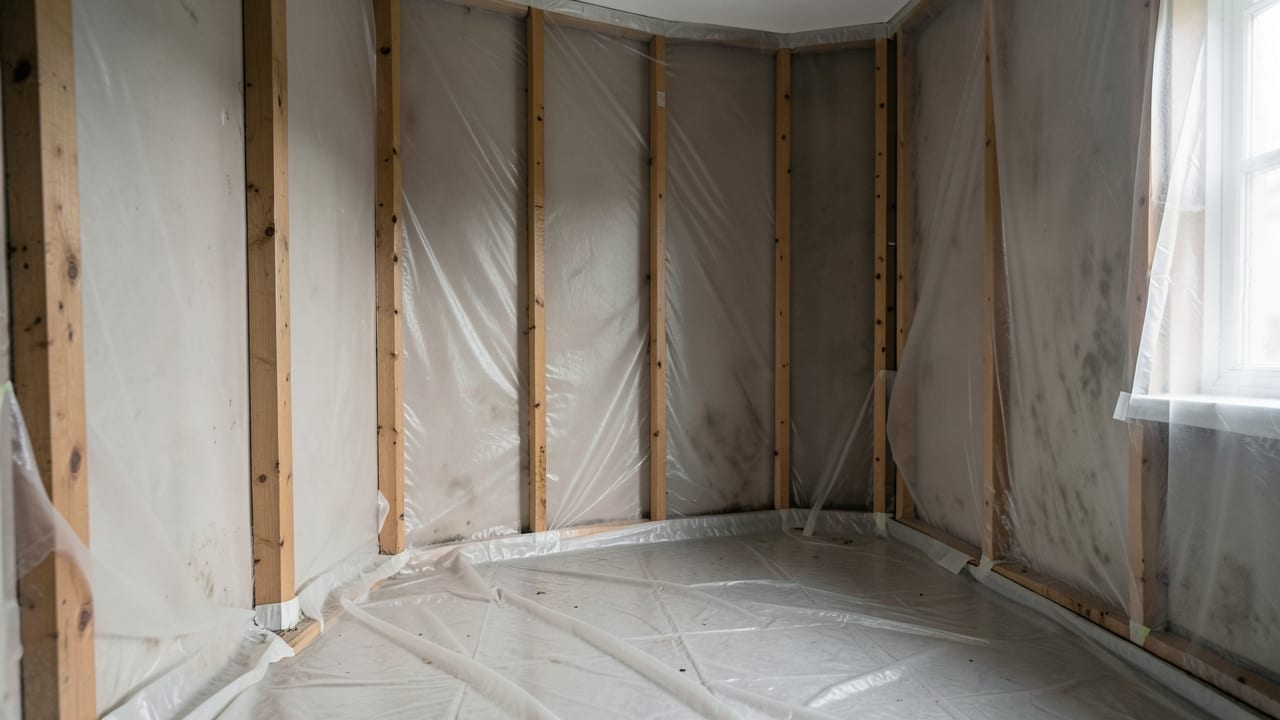
Mold Removal & Remediation in Simi Valley, CA
Mold Removal & Remediation for Simi Valley, CA properties — Simi Valley is a nearby community roughly 8.2 miles north of Agoura Hills..
Learn More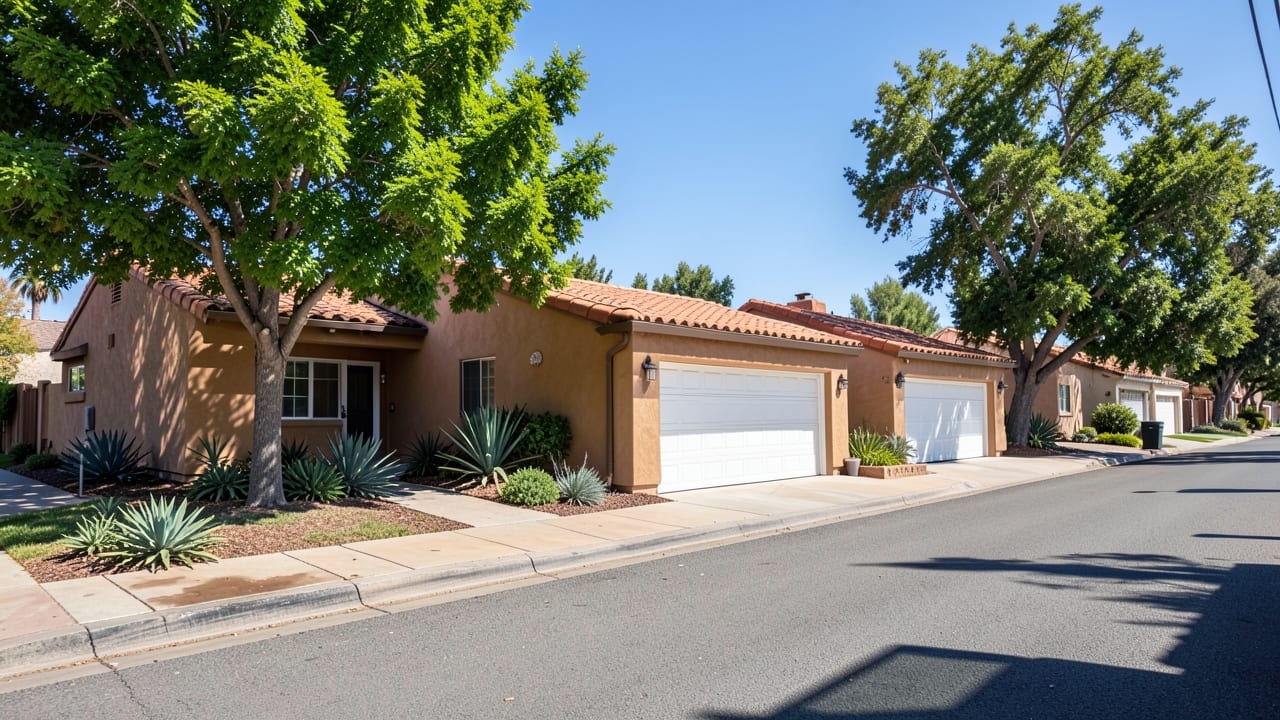
Water Damage Restoration in Simi Valley, CA
Water Damage Restoration for Simi Valley, CA properties — Simi Valley is a nearby community roughly 8.2 miles north of Agoura Hills..
Learn More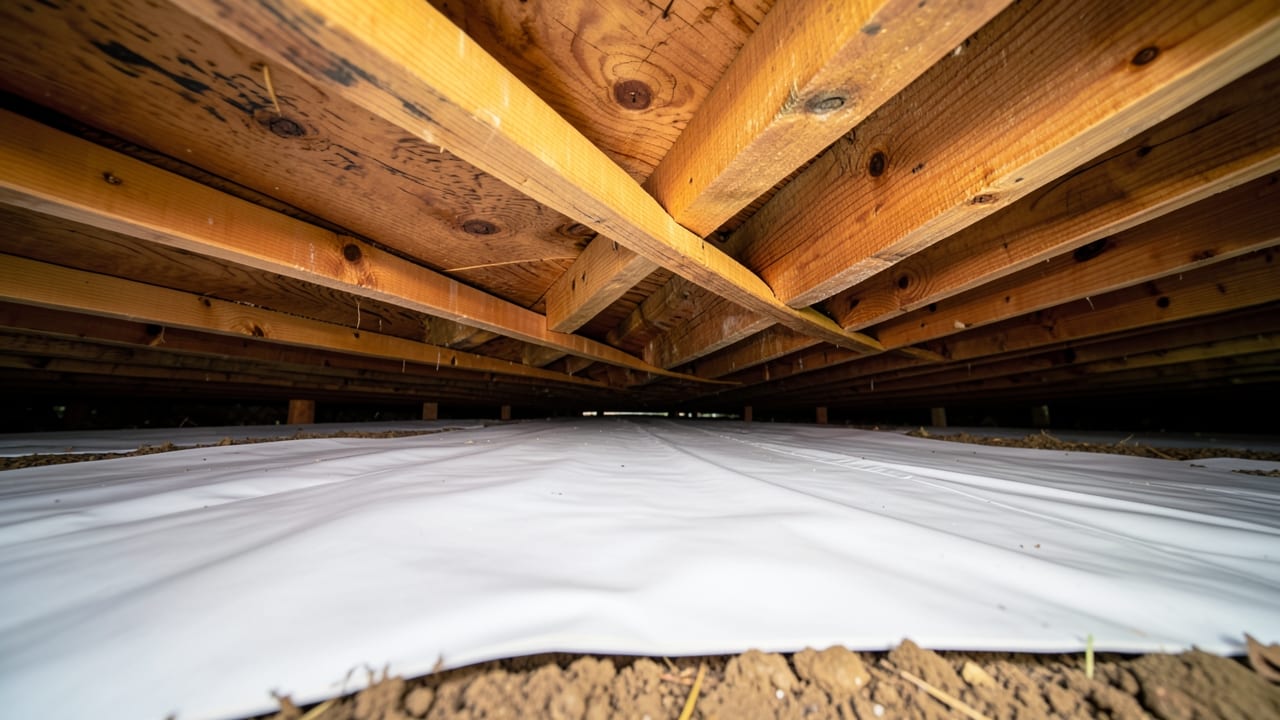
Crawl Space & Basement Mold Remediation in Simi Valley, CA
Crawl Space & Basement Mold Remediation for Simi Valley, CA properties — Simi Valley is a nearby community roughly 8.2 miles north of Agoura Hills..
Learn MoreAttic Mold Remediation in Simi Valley, CA
Attic Mold Remediation for Simi Valley, CA properties — Simi Valley is a nearby community roughly 8.2 miles north of Agoura Hills..
Learn More
Commercial Mold Remediation in Simi Valley, CA
Commercial Mold Remediation for Simi Valley, CA properties — Simi Valley is a nearby community roughly 8.2 miles north of Agoura Hills..
Learn MoreMold Prevention & Moisture Control in Simi Valley, CA
Mold Prevention & Moisture Control for Simi Valley, CA properties — Simi Valley is a nearby community roughly 8.2 miles north of Agoura Hills..
Learn MoreThe same service is also covered in West Hollywood, CA , on the same terms.
Common Questions About Mold Remediation in Simi Valley, CA
Everything you need to know about mold remediation services in Simi Valley, CA
How much does Vinyl Flooring Mold Treatment typically cost in Simi Valley, CA?
Does coastal humidity around Simi Valley, CA change how mold risk is assessed?
Is a final clearance test part of a typical mold remediation job?
How does mold remediation actually prevent the problem from coming back?
Can mold growing inside HVAC ductwork spread to the rest of a home?
Need Mold Remediation in Simi Valley, CA?
Connect with local providers in Simi Valley, CA for a detailed quote.
⏰ We answer your call • Serving all of Simi Valley, CA and surrounding areas