7 Clear Signs You Need Professional Mold Testing in Agoura Hills
Mold thrives in hidden spaces, often undetected until it becomes a serious health or structural issue. In Agoura Hills, our Mediterranean climate and seasonal shifts create ideal conditions for mold growth behind walls, under flooring, or in attics. Professional mold testing is the only way to confirm its presence and scope before it spreads further.
Persistent Musty Odors You Can’t Pinpoint
A lingering musty smell is one of the most common indicators of hidden mold. These odors originate from microbial volatile organic compounds (MVOCs) released by active mold colonies, often trapped in HVAC systems, behind baseboards, or within insulation.
If the scent intensifies in specific areas—like basements, crawl spaces, or bathrooms—it’s a red flag. Standard air fresheners or cleaning won’t eliminate it; only mold testing and remediation address the root cause.
Visible Mold Growth, Even in Small Patches
Spotting mold—whether black, green, white, or orange—on walls, ceilings, or around windows means it’s already established. Surface mold is just the tip of the iceberg; colonies often extend deep into porous materials like drywall, wood, or carpet padding.
In Agoura Hills, attics and crawl spaces are hotspots due to poor ventilation and occasional roof leaks. Never ignore small patches; they can signal a larger infestation requiring professional assessment.
Avoid touching or scrubbing mold yourself. Disturbing colonies releases spores into the air, worsening contamination and health risks. Always call professionals for safe testing and removal.
Unexplained Health Symptoms at Home
Mold exposure can trigger respiratory issues, headaches, skin irritation, or allergic reactions—especially in children, the elderly, or those with compromised immune systems. Symptoms often improve when away from home but return upon re-entry.
Allergenic molds like *Cladosporium* or *Penicillium* are common in Southern California homes. Toxic varieties, such as *Stachybotrys* (black mold), pose even greater risks and require immediate attention.
Past or Current Water Damage
Any history of water intrusion—from burst pipes, roof leaks, or flooding—creates prime conditions for mold. In Agoura Hills, heavy winter rains or improper grading around foundations can lead to moisture seeping into basements or crawl spaces.
Mold can begin growing within 24–48 hours of water exposure. Even if the area appears dry, hidden moisture in subflooring or wall cavities may sustain colonies. Thermal imaging and moisture meters help detect these invisible issues.
Peeling Paint, Warped Walls, or Stained Ceilings
Bubbling paint, cracked drywall, or discolored patches on ceilings often indicate moisture problems—and where there’s moisture, mold follows. These signs are frequent in bathrooms, kitchens, or near windows with condensation issues.
In older Agoura Hills homes, poor ventilation in attics or crawl spaces can cause similar damage. A professional inspection with moisture mapping tools pinpoints the source before mold spreads further.
Condensation or High Humidity in Specific Areas
Consistent condensation on windows, pipes, or ductwork signals elevated humidity levels. In coastal-adjacent areas like Westlake Village or Calabasas, humidity can spike during marine layer events, promoting mold growth on organic surfaces.
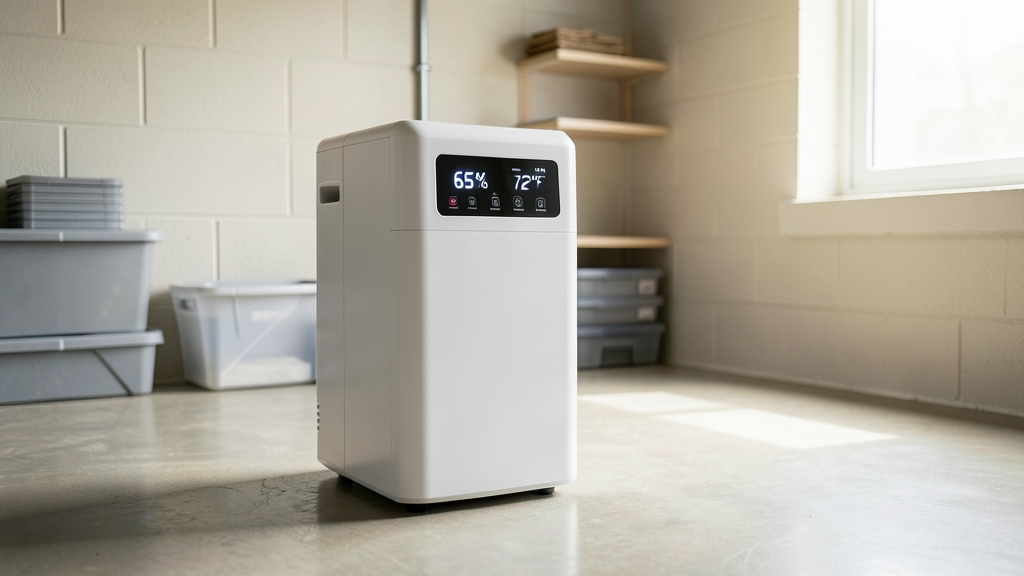
Dehumidifiers help, but persistent issues require a deeper investigation. Our team uses hygrometers to measure humidity and identify problem zones, often tied to poor airflow or insulation gaps.
Use exhaust fans in bathrooms and kitchens, and ensure your HVAC system is properly sized for Agoura Hills’ climate. Regularly check under sinks and around appliances for leaks.
Mold Testing Methods: What to Expect
Professional mold testing combines visual inspections with air and surface sampling. Air quality testing captures spore counts, while surface swabs identify specific mold species. ERMI testing (Environmental Relative Moldiness Index) is a DNA-based method for comprehensive analysis.
For attic or crawl space mold remediation, we often use thermal imaging to detect moisture without invasive procedures. Results typically take 2–3 days, with a detailed report outlining spore types, concentrations, and recommended next steps.
| Method | Best For | Turnaround Time |
|---|---|---|
| Air Sampling (Spore Trap) | Indoor air quality, hidden mold detection | 2-3 days |
| Surface Swab | Identifying mold on visible surfaces | 2-3 days |
| ERMI Testing | Comprehensive DNA-based mold analysis | 5-7 days |
| Thermal Imaging | Detecting moisture behind walls/ceilings | Immediate |
| Moisture Meter | Measuring water content in materials | Immediate |
When DIY Tests Fall Short
Over-the-counter mold test kits provide limited insights. They often lack the sensitivity to detect low spore counts or identify specific species, and they don’t account for hidden mold in HVAC systems or wall cavities.
Professional testing includes a thorough assessment of your home’s moisture sources, ventilation, and past water damage—critical for accurate remediation planning in Agoura Hills, Oak Park, or Thousand Oaks homes.
What to Do While Waiting for Professional Testing
- Avoid running HVAC systems if mold is suspected in ducts
- Seal off affected areas with plastic sheeting to limit spore spread
- Use a dehumidifier to reduce humidity below 50%
- Document visible mold or water damage with photos for your report
How to Prepare for Professional Mold Testing in Your Home
A few simple steps ensure accurate results and a smooth process.
- 1Clear the Area
Remove clutter from suspected areas so technicians can access walls, ceilings, and hidden spaces. Avoid cleaning with bleach, as it can mask mold without killing spores.
- 2Close Windows and Doors
Keep all windows and exterior doors closed for at least 12 hours before testing. This ensures air samples reflect your home’s typical conditions.
- 3Turn Off HVAC Systems
Shut down heating or cooling systems 1–2 hours prior to testing. This prevents spores from being distributed unevenly, which could skew results.
- 4Note Problem Areas
Make a list of spots with odors, water stains, or past leaks. Share this with the technician to focus their inspection on high-risk zones.
- 5Plan for Pets and Occupants
Arrange for pets and family members to stay out of the testing areas. Some methods, like air sampling, require still conditions to avoid contamination.
Frequently Asked Questions
How do I know if the mold in my Agoura Hills home is toxic?
Toxic mold, like *Stachybotrys*, is identified through professional testing that analyzes spore types and concentrations. Not all mold is toxic, but all mold should be addressed promptly. Our team uses lab analysis to determine the species and recommend safe remediation.
Can mold return after remediation?
Yes, if the underlying moisture issue isn’t resolved. Effective mold remediation in Agoura Hills includes fixing leaks, improving ventilation, and controlling humidity. We provide a moisture control plan to prevent recurrence, especially in prone areas like crawl spaces and attics.
Is mold testing covered by homeowners insurance?
Coverage varies by policy and the cause of the mold. If mold results from a covered peril like a burst pipe, testing and remediation may be included. Review your policy or consult your insurer. We provide detailed reports to support claims.
How long does professional mold testing take in Agoura Hills?
On-site testing typically takes 1–3 hours, depending on your home’s size and the number of samples collected. Lab analysis adds 2–7 days, depending on the method. We prioritize urgent cases, especially for commercial properties or health-sensitive situations.
Do I need to leave my home during mold testing?
No, you can usually stay home during testing. However, it’s best to avoid the areas being sampled. If mold is already visible or health symptoms are severe, temporary relocation may be advised until remediation is complete.
What’s the difference between mold testing and mold inspection?
A mold inspection is a visual and technical assessment of your property for signs of mold and moisture. Mold testing involves collecting air or surface samples for lab analysis to identify spore types and concentrations. Both are often performed together for a complete evaluation.